Neuroscience research
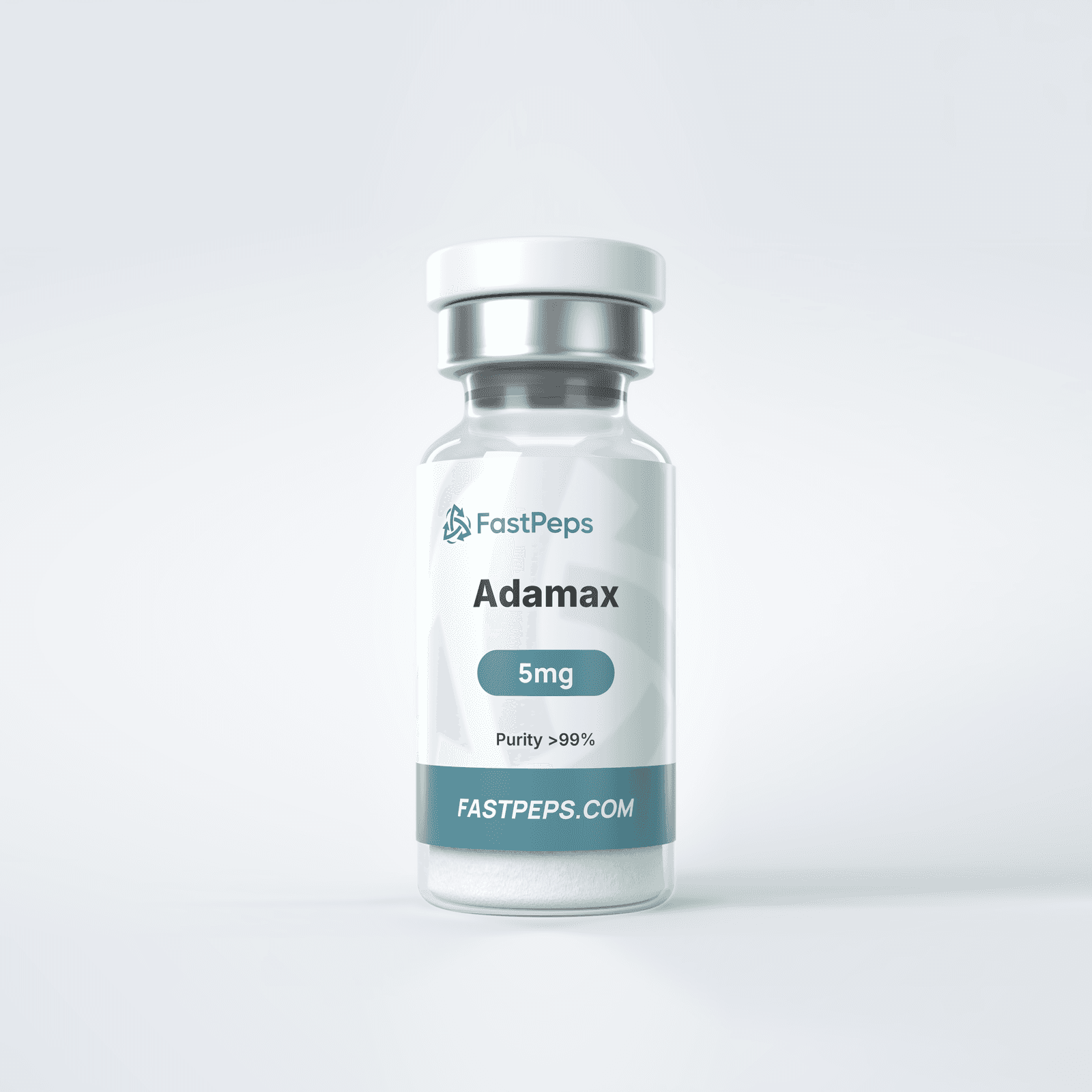
Adamax
A stabilized analog of the P21 peptide, studied for neurotrophic signaling. Freeze-dried, high-purity, ready to reconstitute.
Save up to 30% on Adamax.
Stack it with Tirz or Reta to unlock the savings.
20%
+1 peptide
25%
+2 peptides
30%
+3 or more

For research and educational purposes only. PepTalk discusses what researchers study in laboratory settings, not medical advice. Products are sold for laboratory research use only.
The short version
Adamax is a modified version of a small research peptide called P21. Researchers study P21 and its relatives for how they interact with the brain's own growth-factor signaling. Adamax adds a compact, rigid chemical group (adamantane) to the parent peptide, which is intended to make it hold up better than the original.
What researchers are looking at
The brain relies on a family of signaling proteins called neurotrophic factors to support nerve cells, the connections between them, and the formation of new ones. One of these, CNTF, has been studied for decades, but the full protein is large and hard to work with. P21 was designed as a small fragment-based peptide that researchers could use to explore that same signaling area in a more practical form.
Adamax takes P21 one step further. Short peptides are often broken down quickly, so the adamantane group is attached to make the molecule more stable and better able to reach its targets in laboratory models. That stability question is a big part of why researchers are interested in it: it lets them ask whether a longer-lasting version of the parent peptide changes what they observe.
Most of the published work in this area comes from cell and animal models of neurotrophic signaling and neurogenesis, focused on the parent P21 family. Adamax itself is a newer, less characterized analog, so it is best read as an early-stage research tool rather than a well-mapped compound.
A growth-factor pathway
The parent peptide P21 was built to probe neurotrophic signaling, the system that supports nerve cells and the connections between them.
A stabilizing add-on
Adamax attaches an adamantane group to P21, intended to slow breakdown so the molecule lasts longer in laboratory models.
An open question
Researchers use it to ask whether a more stable version of the parent peptide changes what they see in neurogenesis and signaling models.
Where the evidence stands
an honest mapEarly cell and animal work, mostly on the parent P21 family
No published human research
At a glance
What it is
A modified peptide
adamantane-linked P21 analog
Studied for
Neurotrophic signaling
neurogenesis models
Why the change
Stability
built to outlast the parent peptide
Research stage
Early preclinical
cell and animal models
How it arrives
Lyophilized powder
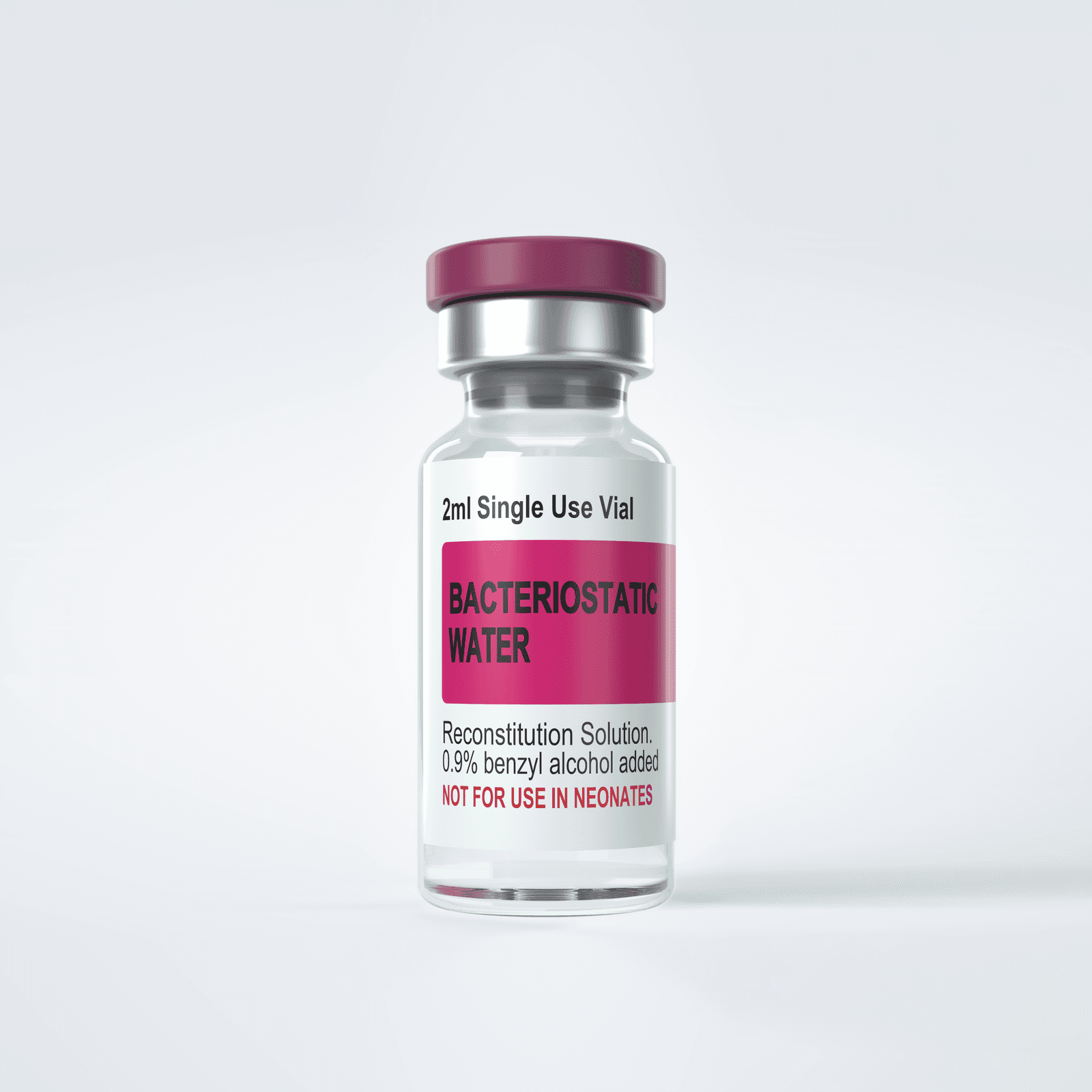
Ships freeze-dried for stability and shelf life. Before research use, it's reconstituted with bacteriostatic water. Once reconstituted, keep it refrigerated and use within the window noted on the Certificate of Analysis.
Bacteriostatic water
Needed to reconstitute
Certificate of analysis
Common questions
Adamax is P21 with an adamantane group attached. The addition is intended to make the peptide more stable, so researchers can study a longer-lasting version of the parent compound.
For laboratory and research use only. Sold exclusively for in-vitro research and laboratory experimentation. Not a drug, supplement, or article intended for human or veterinary use; nothing here is medical advice or a claim of therapeutic benefit. Statements describe findings from published research.
Your Reliable Source for High-Quality Research Peptides
FastPeps is more than just a trusted U.S. supplier of research peptides. We are a catalyst for scientific advancement, dedicated to providing the highest quality peptides that empower our clients to push the boundaries of research.