
For research and educational purposes only. PepTalk discusses what researchers study in laboratory settings — not medical advice. Products are sold for laboratory research use only.
Research Peptide
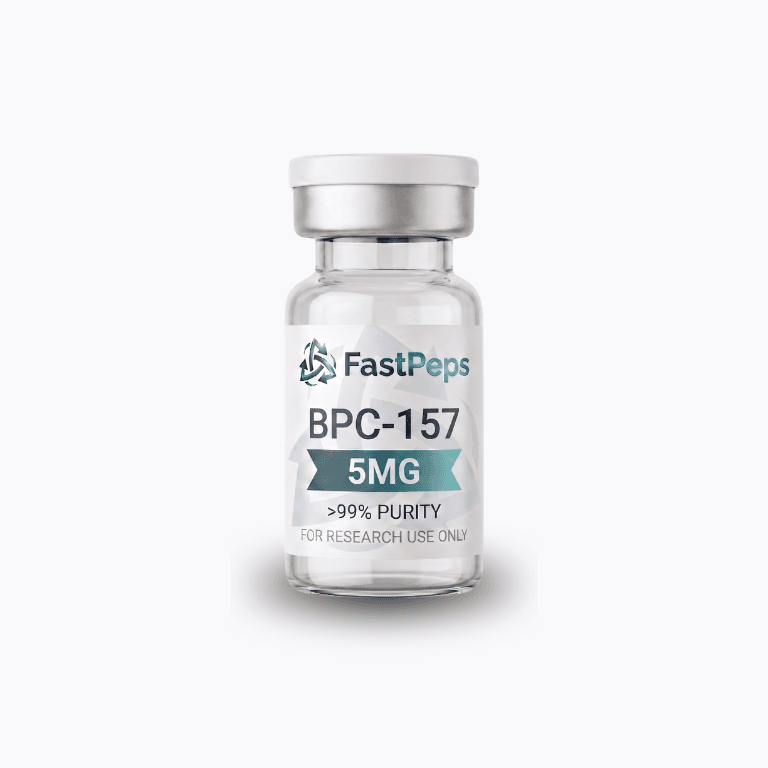
BPC-157
The lab's go-to for tissue-repair research — freeze-dried, ultra-pure, ready to reconstitute.
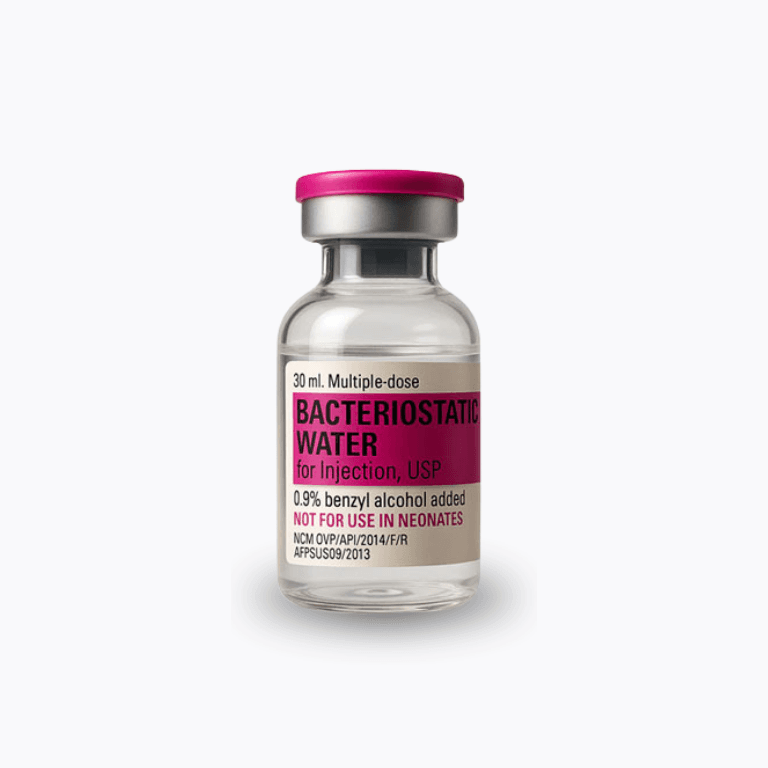
BPC-157 is part of a research stack — 10% off every item plus free bacteriostatic water.


For research and educational purposes only. PepTalk discusses what researchers study in laboratory settings — not medical advice. Products are sold for laboratory research use only.
The short version
BPC-157 is a small peptide — just 15 amino acids — originally identified in a protein found in the stomach. Over the last two decades it's become one of the most-studied compounds in tissue-repair research, largely because of how consistently it shows up in the literature on healing and recovery.
What researchers are looking at
Healing is something your body already does on its own. When tissue is damaged, three things have to happen: new blood vessels grow in to feed the area, structural protein (collagen) is laid down to rebuild it, and the inflammation that gets in the way is brought back under control.
In animal and lab studies, BPC-157 appears to support all three of those steps at once — which is why research groups have looked at it across tendon, ligament, muscle, bone, and gut-tissue injuries. Researchers have also noted it seems to interact with growth-hormone signaling locally in tissue, which may be part of how it encourages repair.
Because the great majority of this work is in animal and test-tube models, the findings are best read as what researchers observe in the lab rather than proven human outcomes — but the consistency across so many different injury types is what keeps drawing scientific attention.
New blood vessels
Angiogenesis brings fresh blood supply in to feed the damaged area.
Collagen laid down
Structural protein is rebuilt to give the tissue its strength back.
Inflammation controlled
The inflammation that gets in the way is brought back under control.
Where the evidence stands
an honest map35+ studies, consistent results
Early — small pilots, Phase 2 underway
From the lab toward the clinic
A Phase 2 randomized, placebo-controlled human trial (120 participants with MRI-confirmed hamstring strains) began recruiting in 2026 — a meaningful step from “promising in models” toward rigorous human data.
At a glance
What it is
A small peptide
15 amino acids
Studied for
Healing & recovery
tendon, muscle, gut
How fast it acts
Fast-acting
cleared in ~30 min
Research stage
In human trials
Phase 2 underway
How it arrives
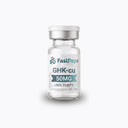
Lyophilized powder
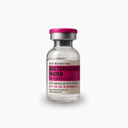
Ships freeze-dried for stability and shelf life. Before research use, it's reconstituted with bacteriostatic water.
Bacteriostatic water
Needed to reconstitute
Certificate of analysis
Common questions
All products on FastPeps are labeled Research Use Only (RUO), and this is a legal requirement, not just fine print. It means these compounds are sold strictly for scientific research and laboratory purposes, not for personal use, self-administration, or medical treatment. This label exists because these compounds have not completed the FDA approval process to be sold as drugs or supplements. When you purchase from FastPeps, you are agreeing the product is for research purposes only.
For laboratory and research use only. Sold exclusively for in-vitro research and laboratory experimentation. Not a drug, supplement, or article intended for human or veterinary use; nothing here is medical advice or a claim of therapeutic benefit. Statements describe findings from published research.
Your Reliable Source for High-Quality Research Peptides
FastPeps is more than just a trusted U.S. supplier of research peptides. We are a catalyst for scientific advancement, dedicated to providing the highest quality peptides that empower our clients to push the boundaries of research.