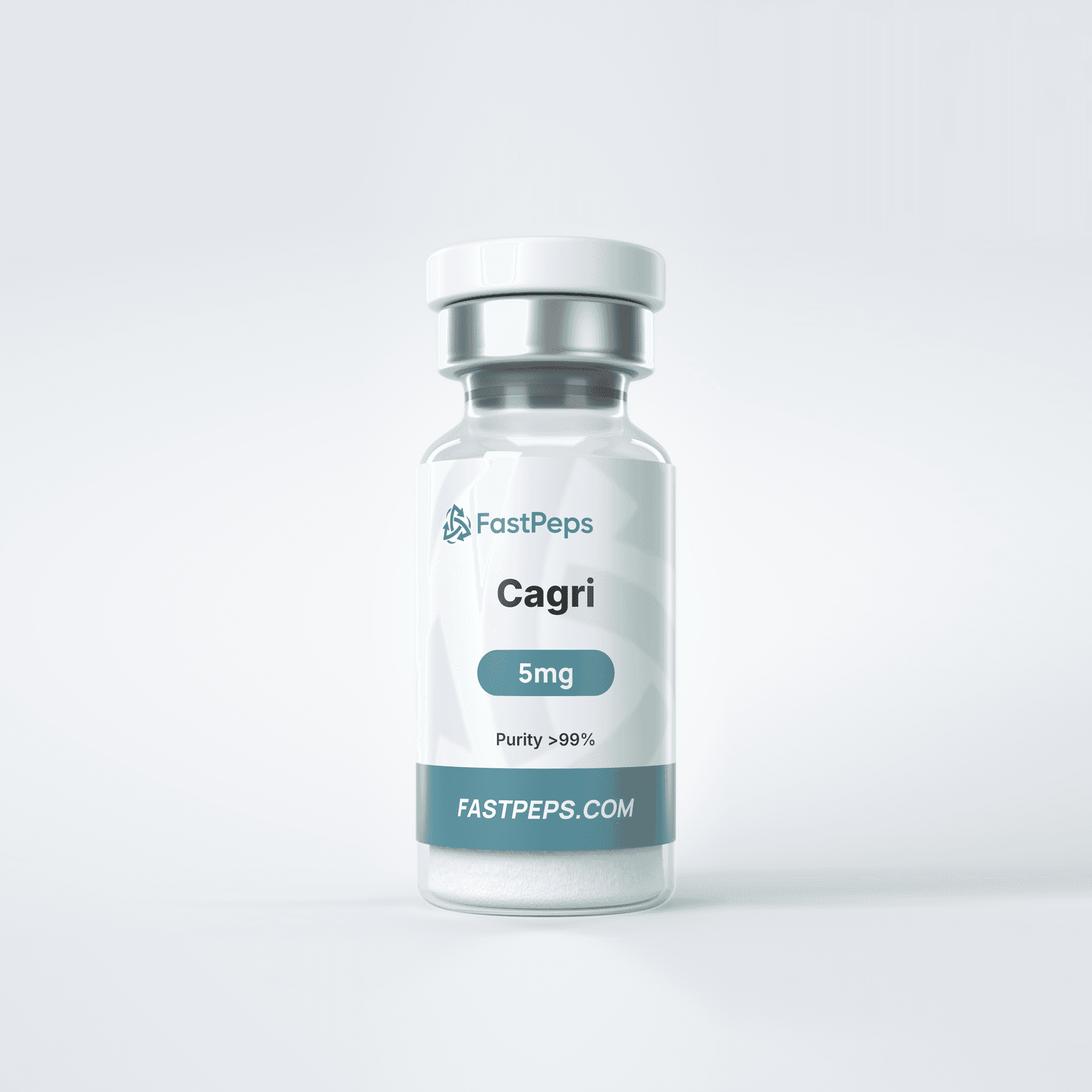
Cagri
A long-acting amylin analog studied in metabolic research.

For research and educational purposes only. PepTalk discusses what researchers study in laboratory settings, not medical advice.
The short version
Cagri is a synthetic, long-acting version of amylin, a hormone the pancreas releases alongside insulin after a meal. What makes it interesting to researchers is that it works through a completely different receptor than the GLP-1 compounds, which is why so much recent lab work studies the two pathways side by side.
What researchers are looking at
Amylin is a natural hormone secreted together with insulin after a meal. In animal models it acts in the brainstem and slows how fast the stomach empties. Cagri is an engineered mimic of that hormone, redesigned so it stays in circulation far longer than the natural version.
The key distinction researchers draw is the pathway. GLP-class compounds (like the incretin agonists) act on the GLP-1 receptor; Cagri does not. Instead it binds amylin and calcitonin receptors in the hindbrain (the area postrema and nucleus tractus solitarius), a separate, non-incretin route. Because the two mechanisms are independent, much of the literature studies them side by side.
Most of the foundational data here is preclinical, from animal and lab models, and the compound has also entered human trials, largely in combination studies. The findings describe what researchers observe about the amylin pathway in the lab, not results in people. The consistency of the amylin-receptor signal across models is what keeps it under scientific attention.
Amylin receptors engaged
Binds amylin and calcitonin receptors in the brainstem — a different target than GLP-1 compounds.
Gastric emptying slowed
In animal models, it slows how fast the stomach empties.
Hindbrain signaling
It acts on signaling in the hindbrain, the area most amylin research focuses on.
Where the evidence stands
an honest mapExtensive animal-model data
Has entered human trials, mostly in combination studies
From the lab toward the clinic
Cagri has advanced into late-stage human trials, largely studied in combination with a GLP-1 agent, a step from preclinical models toward controlled human research on the amylin pathway.
At a glance
What it is
An amylin analog
long-acting
Pathway
Amylin / calcitonin
not GLP-1
Studied for
Metabolic research
Research stage
In human trials
Phase 2/3
How it arrives
Lyophilized powder
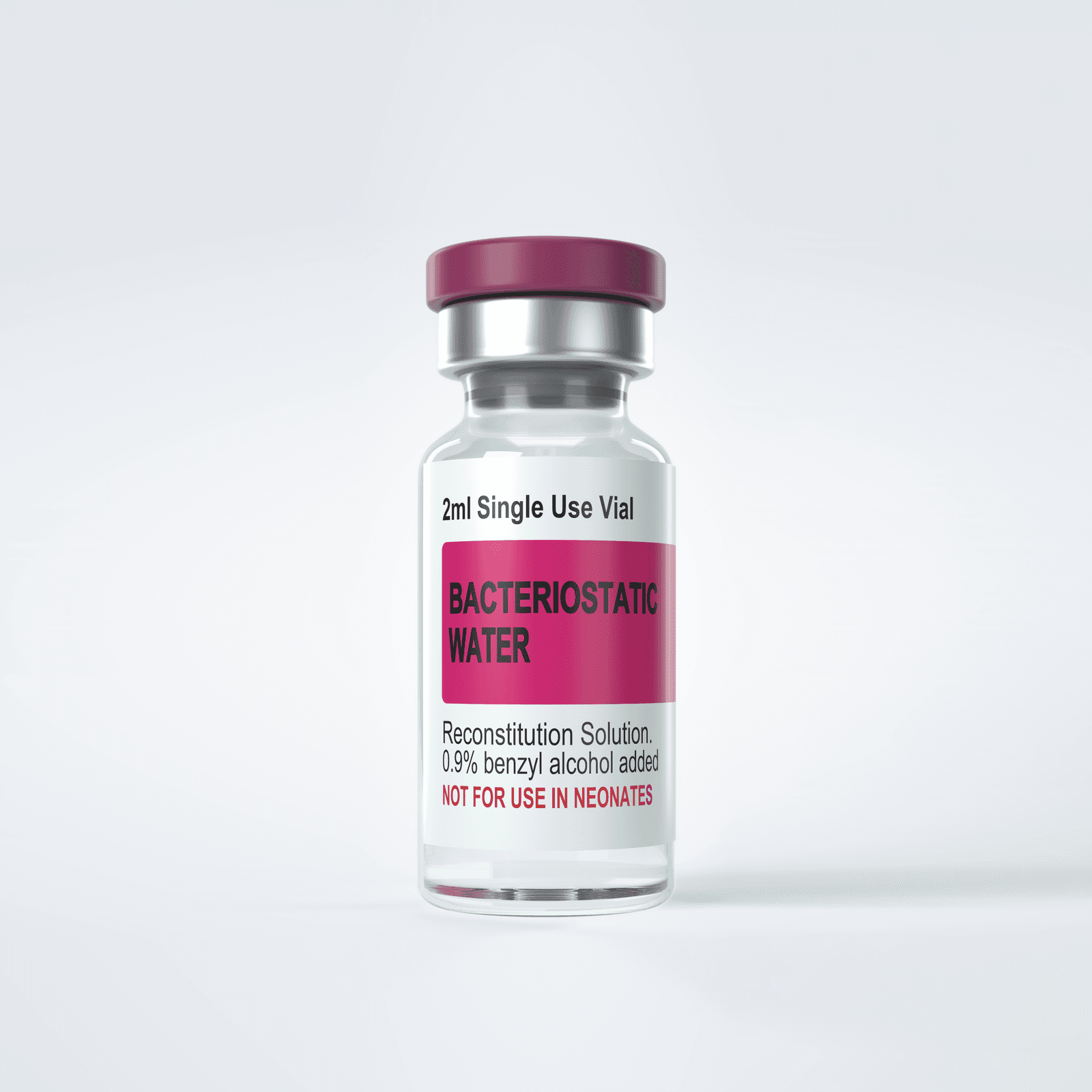
Ships freeze-dried for stability and shelf life. Before research use, it's reconstituted with bacteriostatic water.
Bacteriostatic water
Needed to reconstitute
Certificate of analysis
Common questions
All products on FastPeps are labeled Research Use Only (RUO), and this is a legal requirement, not just fine print. It means these compounds are sold strictly for scientific research and laboratory purposes, not for personal use, self-administration, or medical treatment. This label exists because these compounds have not completed the FDA approval process to be sold as drugs or supplements. When you purchase from FastPeps, you are agreeing the product is for research purposes only.
For laboratory and research use only. Sold exclusively for in-vitro research and laboratory experimentation. Not a drug, supplement, or article intended for human or veterinary use; nothing here is medical advice or a claim of therapeutic benefit. Statements describe findings from published research.
Your Reliable Source for High-Quality Research Peptides
FastPeps is more than just a trusted U.S. supplier of research peptides. We are a catalyst for scientific advancement, dedicated to providing the highest quality peptides that empower our clients to push the boundaries of research.