Neuropeptide research
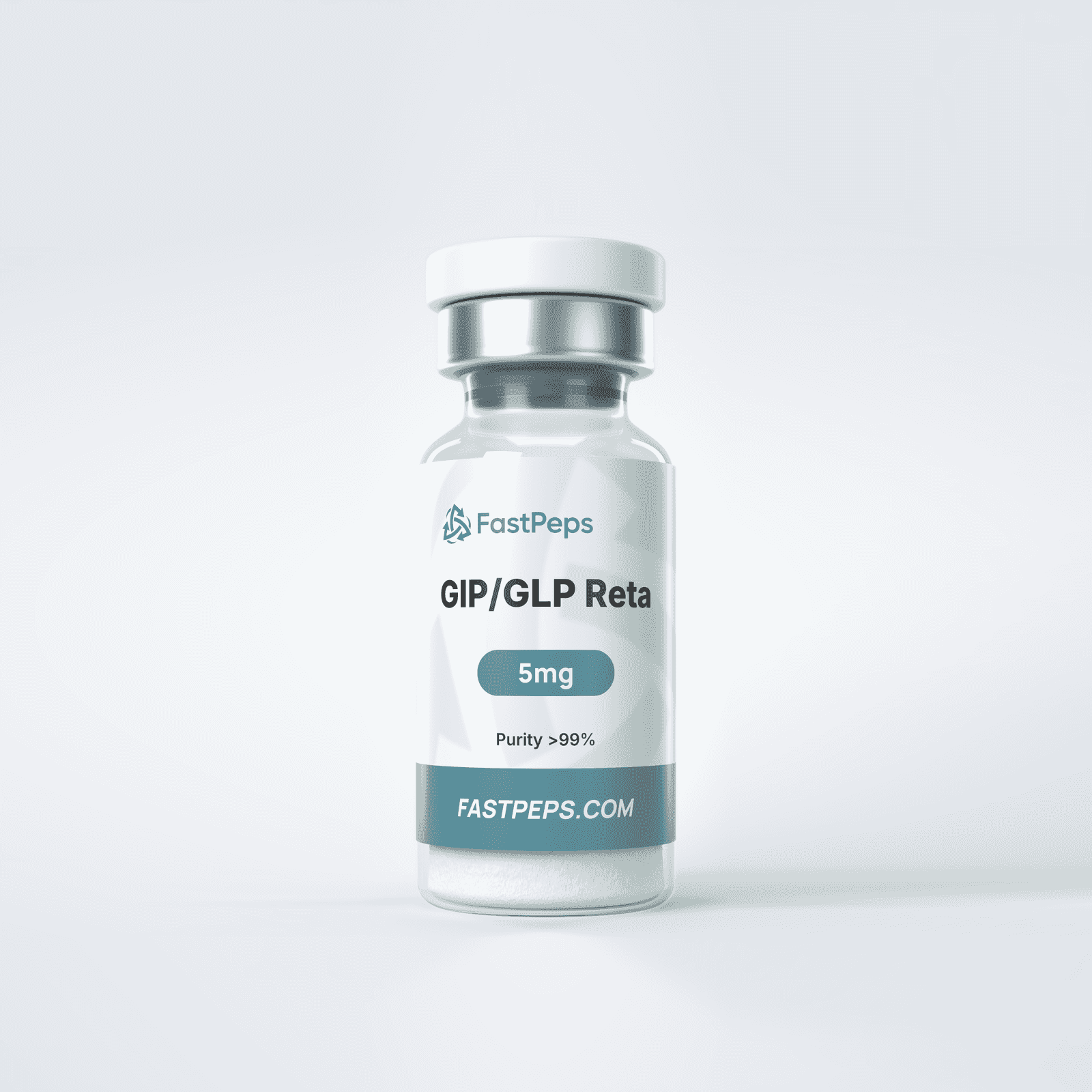
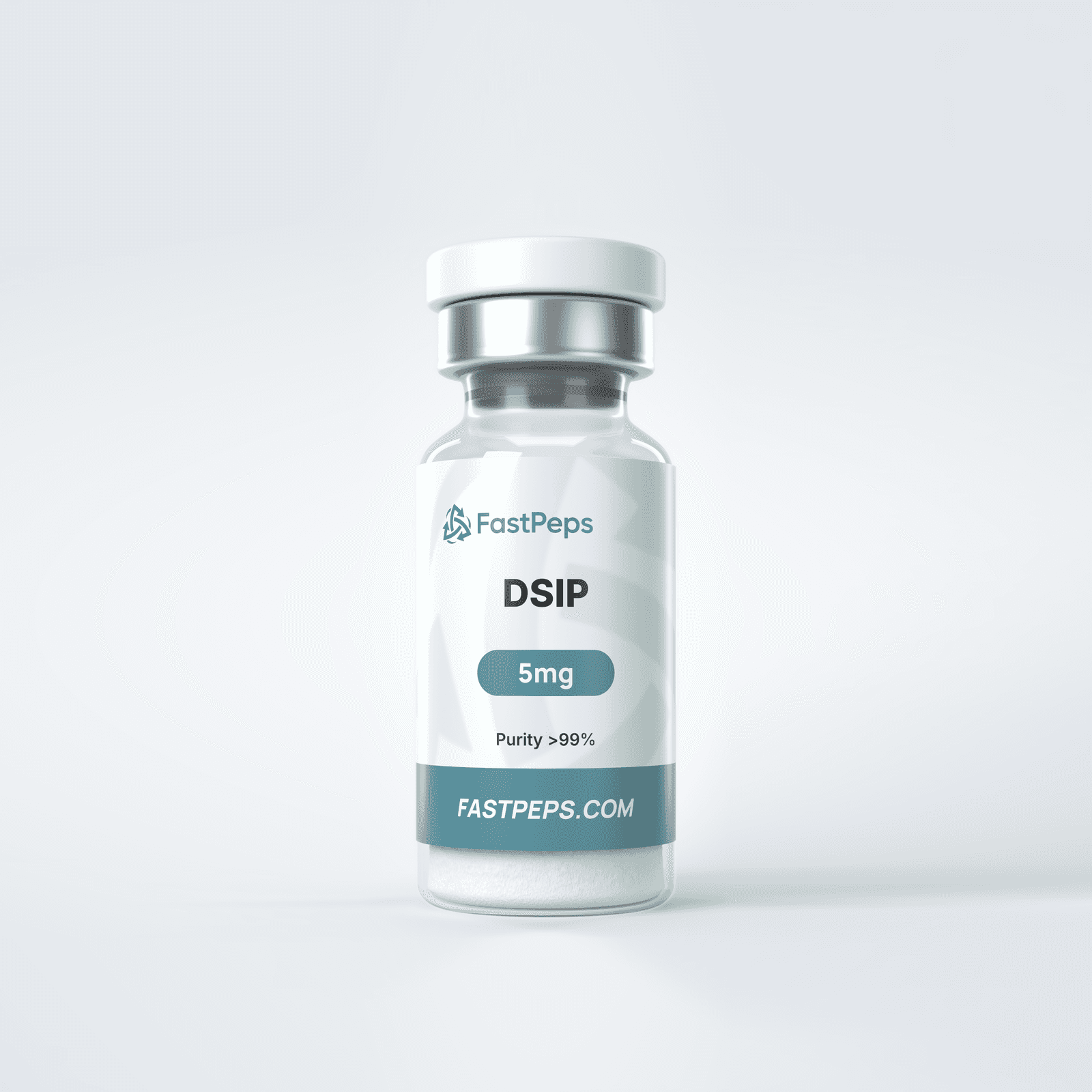
DSIP
Delta sleep-inducing peptide, a nine-amino-acid neuropeptide studied in sleep and neuroendocrine research. Freeze-dried, ≥99% pure.
Save up to 30% on DSIP.
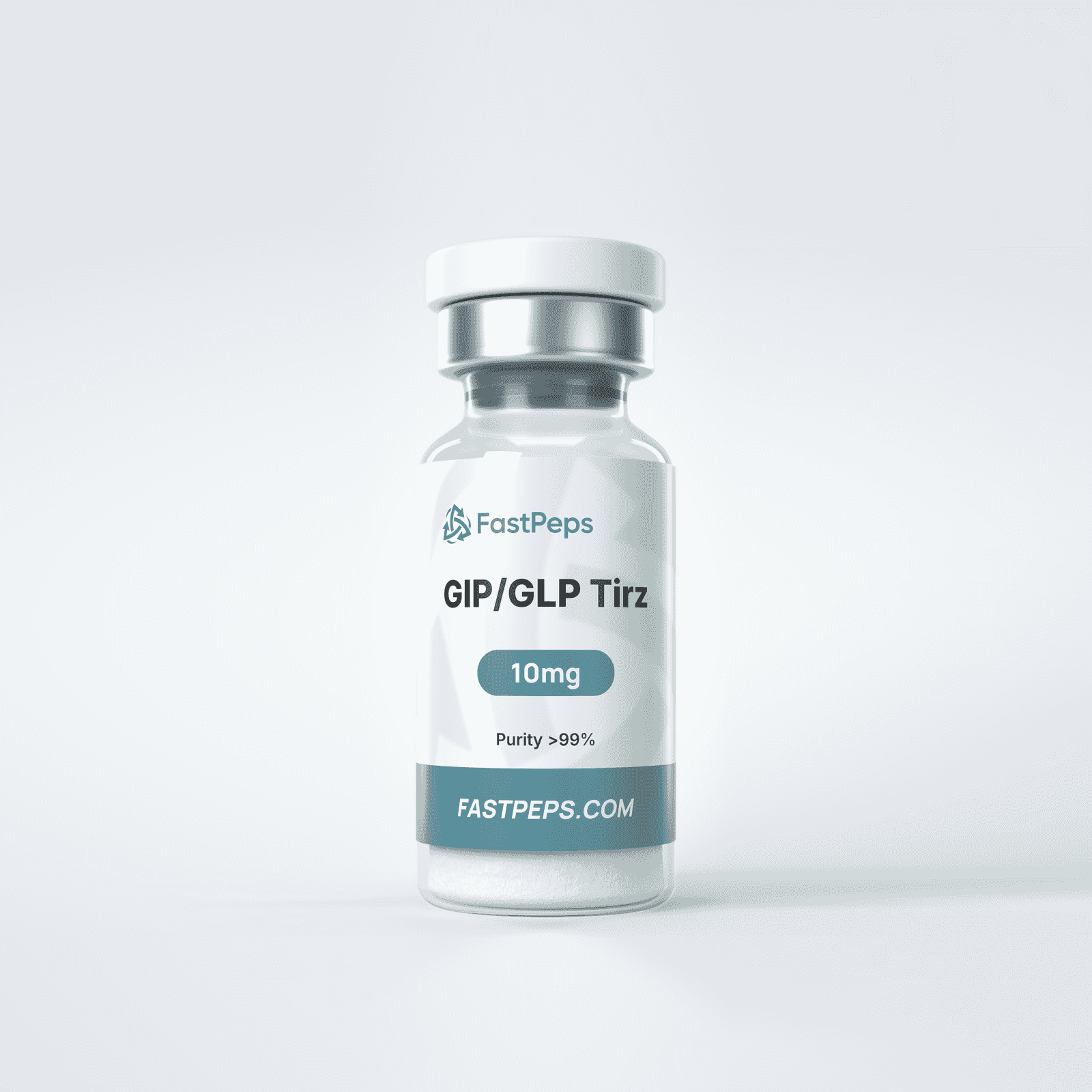
Stack it with Tirz or Reta to unlock the savings.
20%
+1 peptide
25%
+2 peptides
30%
+3 or more

For research and educational purposes only. PepTalk discusses what researchers study in laboratory settings, not medical advice. Products are sold for laboratory research use only.
The short version
DSIP is a tiny nine-amino-acid peptide first found in 1977 in the blood of rabbits during deep, slow-wave sleep, which is where its name comes from. Researchers have studied it ever since for its links to sleep patterns and to the body's stress and hormone signaling. It remains something of a puzzle, which is a big part of its research appeal.
What researchers are looking at
In 1977, Swiss researchers isolated a small peptide from the blood of rabbits that were in delta (deep, slow-wave) sleep. They named it delta sleep-inducing peptide, or DSIP. Since then it has been studied for its association with sleep architecture, meaning the pattern and depth of the different sleep stages.
Sleep turned out to be only part of the story. The literature also links DSIP to neuroendocrine signaling, including how the body regulates stress hormones and other pituitary messengers, which is why it appears in stress-response research as well as sleep research.
What makes DSIP unusual is how much is still unknown. Its receptor has never been clearly identified, and findings across studies have been inconsistent. Researchers describe it as studied, not established, and that open question is exactly why it continues to show up in neuropeptide research.
Found during deep sleep
DSIP was isolated in 1977 from rabbits in slow-wave sleep and has been studied for its links to sleep architecture ever since.
Beyond sleep
The literature also connects it to neuroendocrine signaling, including how the body regulates stress hormones.
Still a puzzle
No receptor has been clearly identified and results vary across studies, which keeps it an open research question.
Where the evidence stands
an honest mapDecades of animal work, with mixed findings
Small, older human sleep studies with inconsistent results
At a glance
What it is
A neuropeptide
9 amino acids
Studied for
Sleep and stress signaling
sleep architecture, neuroendocrine
First isolated
1977
from rabbits in deep sleep
Research stage
Preclinical + small human studies
mechanism still unclear
How it arrives
Lyophilized powder
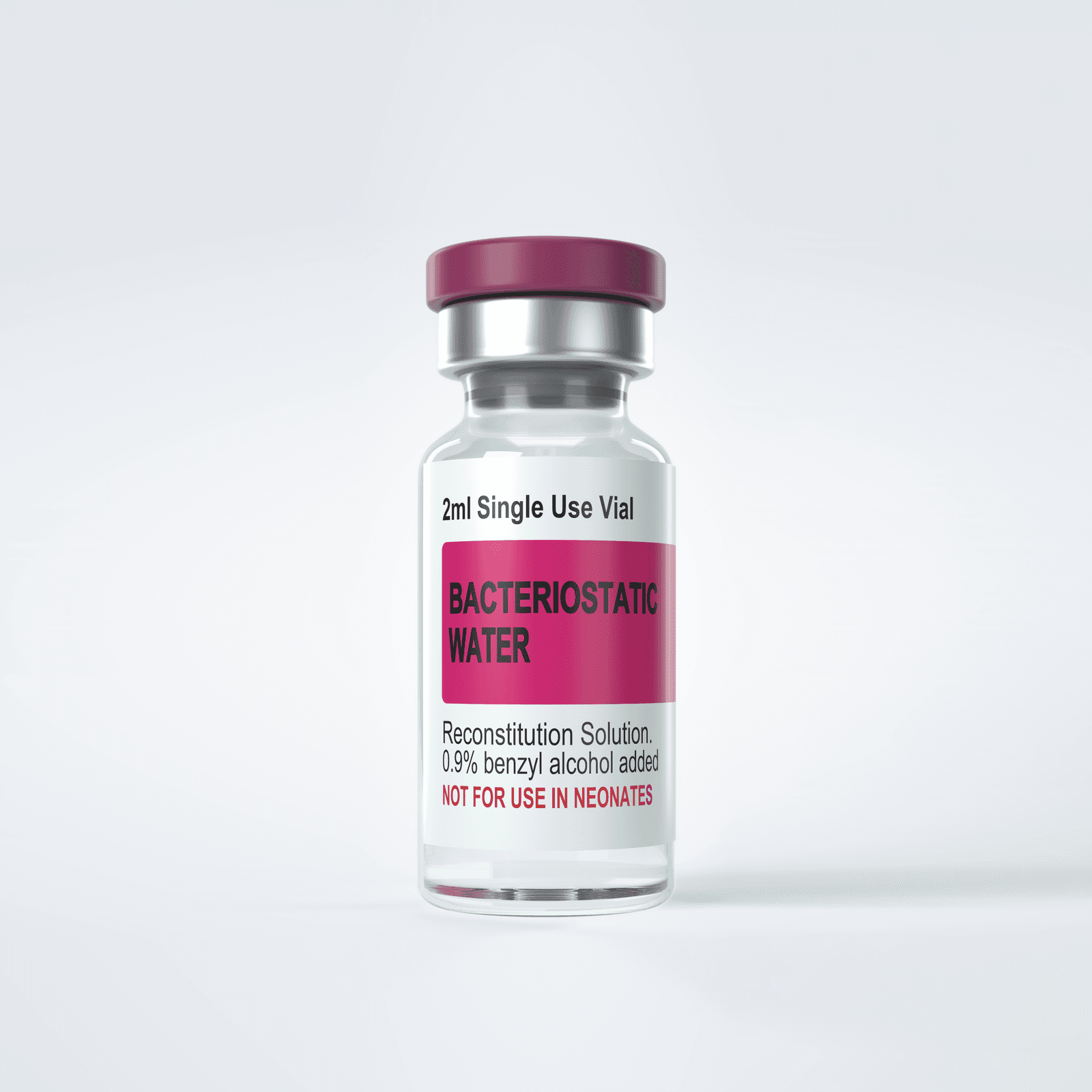
Ships freeze-dried for stability and shelf life. Before research use, it's reconstituted with bacteriostatic water. Once reconstituted, keep it refrigerated and use within the window noted on the Certificate of Analysis.
Bacteriostatic water
Needed to reconstitute
Certificate of analysis
Common questions
Delta sleep-inducing peptide. It was named after the deep, slow-wave (delta) sleep of the rabbits it was first isolated from in 1977. The name describes where it was found; how it works is still being researched.
For laboratory and research use only. Sold exclusively for in-vitro research and laboratory experimentation. Not a drug, supplement, or article intended for human or veterinary use; nothing here is medical advice or a claim of therapeutic benefit. Statements describe findings from published research.
Your Reliable Source for High-Quality Research Peptides
FastPeps is more than just a trusted U.S. supplier of research peptides. We are a catalyst for scientific advancement, dedicated to providing the highest quality peptides that empower our clients to push the boundaries of research.