Skin & inflammation research
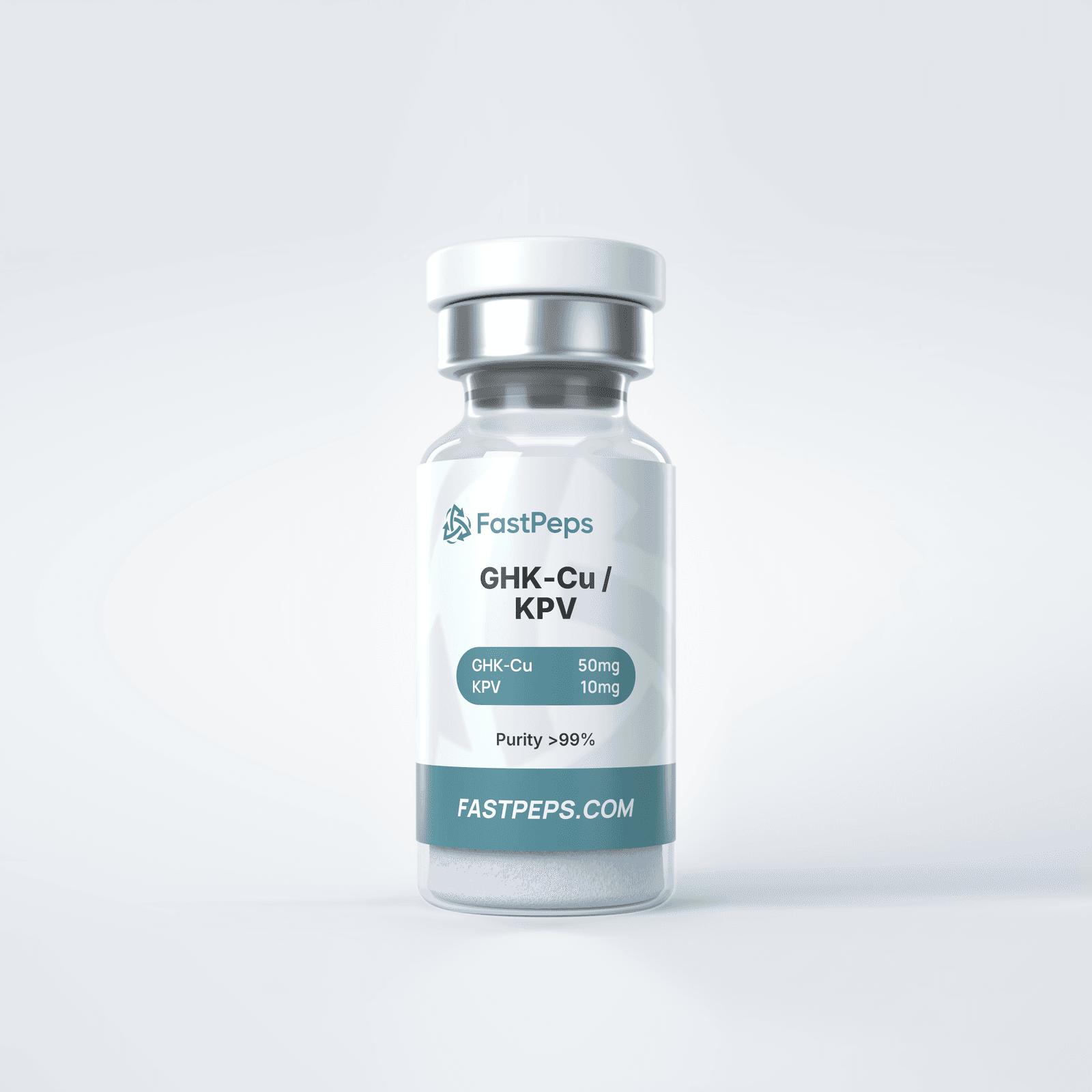
GHK-Cu / KPV Blend
GHK-Cu (50mg) and KPV (10mg) in one vial: the copper peptide plus an anti-inflammatory signaling fragment. Freeze-dried, ≥99% per component.
Save up to 30% on GHK-Cu / KPV Blend.
Stack it with Tirz or Reta to unlock the savings.
20%
+1 peptide
25%
+2 peptides
30%
+3 or more

For research and educational purposes only. PepTalk discusses what researchers study in laboratory settings, not medical advice. Products are sold for laboratory research use only.
The short version
This blend pairs two well-known research peptides. GHK-Cu is the copper peptide studied for collagen production and skin remodeling. KPV is a tiny three-amino-acid fragment studied for calming inflammatory signaling. Together they let researchers look at the building side and the inflammation side of skin and tissue research in one vial.
What researchers are looking at
GHK-Cu is a naturally occurring copper-binding peptide that researchers have studied for decades. In laboratory work it is associated with collagen and elastin production, with remodeling of the skin's support structure, and with recruiting the cells involved in tissue repair. It is one of the most-studied peptides in skin research.
KPV is the last three amino acids (lysine, proline, valine) of a larger hormone called alpha-MSH. Researchers are interested in it because it appears to keep alpha-MSH's anti-inflammatory signaling without its other effects. In preclinical models it is studied for quieting the NF-κB inflammatory pathway, especially in gut and skin tissue.
The reason to combine them is that repair and inflammation are linked. Tissue that is inflamed tends to rebuild poorly, so researchers studying skin and repair often want to look at both at once. This blend is a simpler two-component option compared with the larger repair blends.
Building support
GHK-Cu is studied for driving collagen and elastin production and remodeling the skin's support structure.
Calming inflammation
KPV, a fragment of alpha-MSH, is studied for quieting the NF-κB inflammatory pathway in skin and gut models.
Two sides of one process
Pairing them lets researchers study the rebuilding and the inflammation sides of tissue repair together.
Where the evidence stands
an honest mapBoth components well studied in cell and animal models
Topical GHK-Cu skin studies; KPV is mainly preclinical
At a glance
What it is
A two-peptide blend
GHK-Cu 50mg + KPV 10mg
Studied for
Skin and repair
collagen, inflammation signaling
Color
Blue tint
normal, from the copper
Research stage
Preclinical + topical human work
mostly GHK-Cu
How it arrives
Lyophilized powder
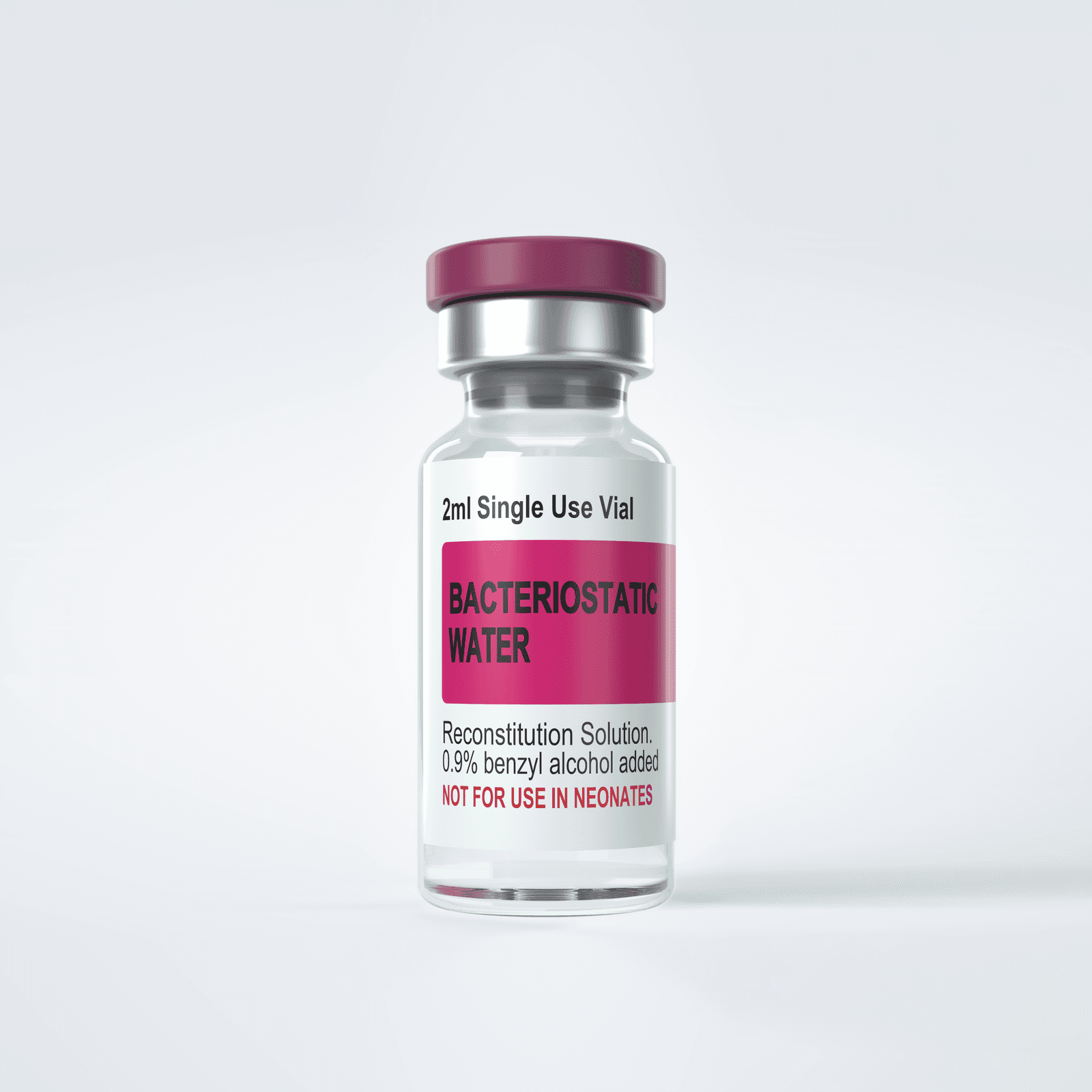
Ships freeze-dried in a single vial. Before research use, it's reconstituted with bacteriostatic water. The copper gives the solution a blue tint, which is expected and not a defect. Once reconstituted, keep it refrigerated.
Bacteriostatic water
Needed to reconstitute
Certificate of analysis
Common questions
GHK-Cu is bound to copper, which gives the powder and the reconstituted solution a blue or blue-green color. That's expected and not a sign of a problem.
For laboratory and research use only. Sold exclusively for in-vitro research and laboratory experimentation. Not a drug, supplement, or article intended for human or veterinary use; nothing here is medical advice or a claim of therapeutic benefit. Statements describe findings from published research.
Your Reliable Source for High-Quality Research Peptides
FastPeps is more than just a trusted U.S. supplier of research peptides. We are a catalyst for scientific advancement, dedicated to providing the highest quality peptides that empower our clients to push the boundaries of research.