Growth factor research
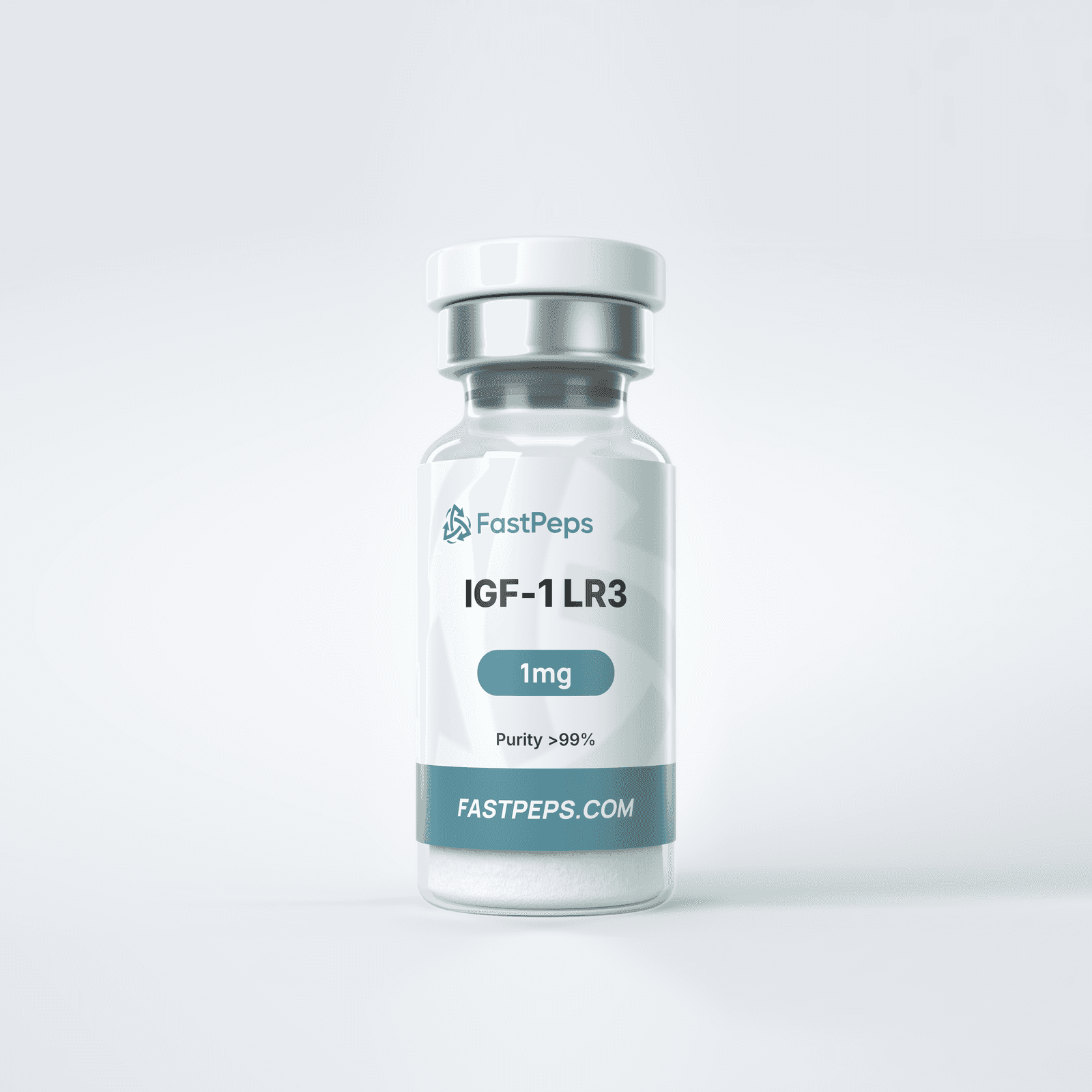
IGF-1 LR3
A long-acting analog of insulin-like growth factor 1, built to avoid the proteins that clear the natural form. Freeze-dried, ≥98% pure.
Save up to 30% on IGF-1 LR3.
Stack it with Tirz or Reta to unlock the savings.
20%
+1 peptide
25%
+2 peptides
30%
+3 or more

For research and educational purposes only. PepTalk discusses what researchers study in laboratory settings, not medical advice. Products are sold for laboratory research use only.
The short version
IGF-1 is one of the body's main growth signals, the messenger that carries out much of what growth hormone sets in motion. IGF-1 LR3 is a lab-made version with two changes that let it stay active far longer than the natural form. That longer working life is why it is a standard tool in cell-culture and growth-signaling research.
What researchers are looking at
When growth hormone is released, the liver and other tissues respond by making IGF-1, which then signals cells to grow, divide and build protein. In the body, most IGF-1 is held by binding proteins that keep it in check and limit how long it stays active. That makes natural IGF-1 short-lived and hard to work with in the lab.
IGF-1 LR3 changes that. One amino acid is swapped (arginine at position 3, the 'R3') and a 13-amino-acid extension is added to the front (the 'Long'). Together these changes sharply reduce how strongly the binding proteins grab it, so far more of it stays free and active, for much longer.
Because of that, it has become one of the most widely used growth factors in cell culture, including large-scale biomanufacturing, and a common tool in research on muscle cell growth and anabolic signaling. Nearly all of this work is laboratory and animal research.
The main growth signal
IGF-1 carries out much of growth hormone's signal, telling cells to grow, divide and build protein.
Two key changes
An Arg3 swap and a 13-amino-acid extension make LR3 far less likely to be captured by IGF binding proteins.
Longer active life
More of it stays free and active for longer, which is why cell-culture and growth-signaling work favors it.
Where the evidence stands
an honest mapWidely used in cell culture and animal growth-signaling research
No controlled human research on the LR3 analog
At a glance
What it is
A growth factor analog
83 amino acids
Studied for
Growth signaling
cell culture, muscle research
Key difference
Long active life
escapes IGF binding proteins
Reconstitute with
Dilute acetic acid
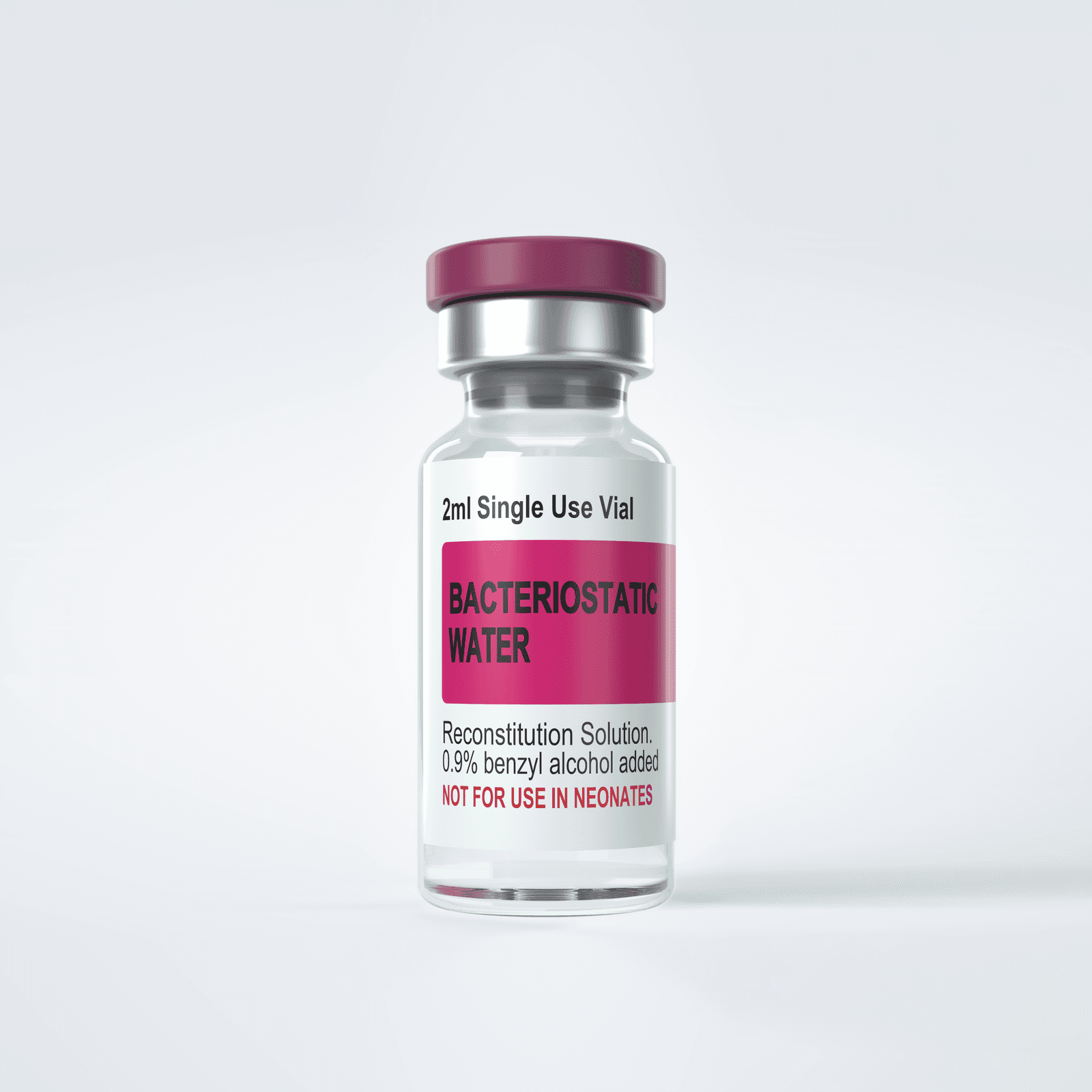
not plain bacteriostatic water
How it arrives
Lyophilized powder
Ships freeze-dried for stability. IGF-1 LR3 dissolves poorly at neutral pH, so it's reconstituted with dilute acetic acid rather than plain bacteriostatic water, then diluted further with a sterile buffer. Once reconstituted, keep it refrigerated and use within the window on the Certificate of Analysis.
Certificate of analysis
Common questions
R3 means the third amino acid has been swapped for arginine. Long refers to a 13-amino-acid extension added to the front. Both changes reduce how strongly IGF binding proteins capture it, which gives it a much longer active life than natural IGF-1.
For laboratory and research use only. Sold exclusively for in-vitro research and laboratory experimentation. Not a drug, supplement, or article intended for human or veterinary use; nothing here is medical advice or a claim of therapeutic benefit. Statements describe findings from published research.
Your Reliable Source for High-Quality Research Peptides
FastPeps is more than just a trusted U.S. supplier of research peptides. We are a catalyst for scientific advancement, dedicated to providing the highest quality peptides that empower our clients to push the boundaries of research.