Melanocortin research
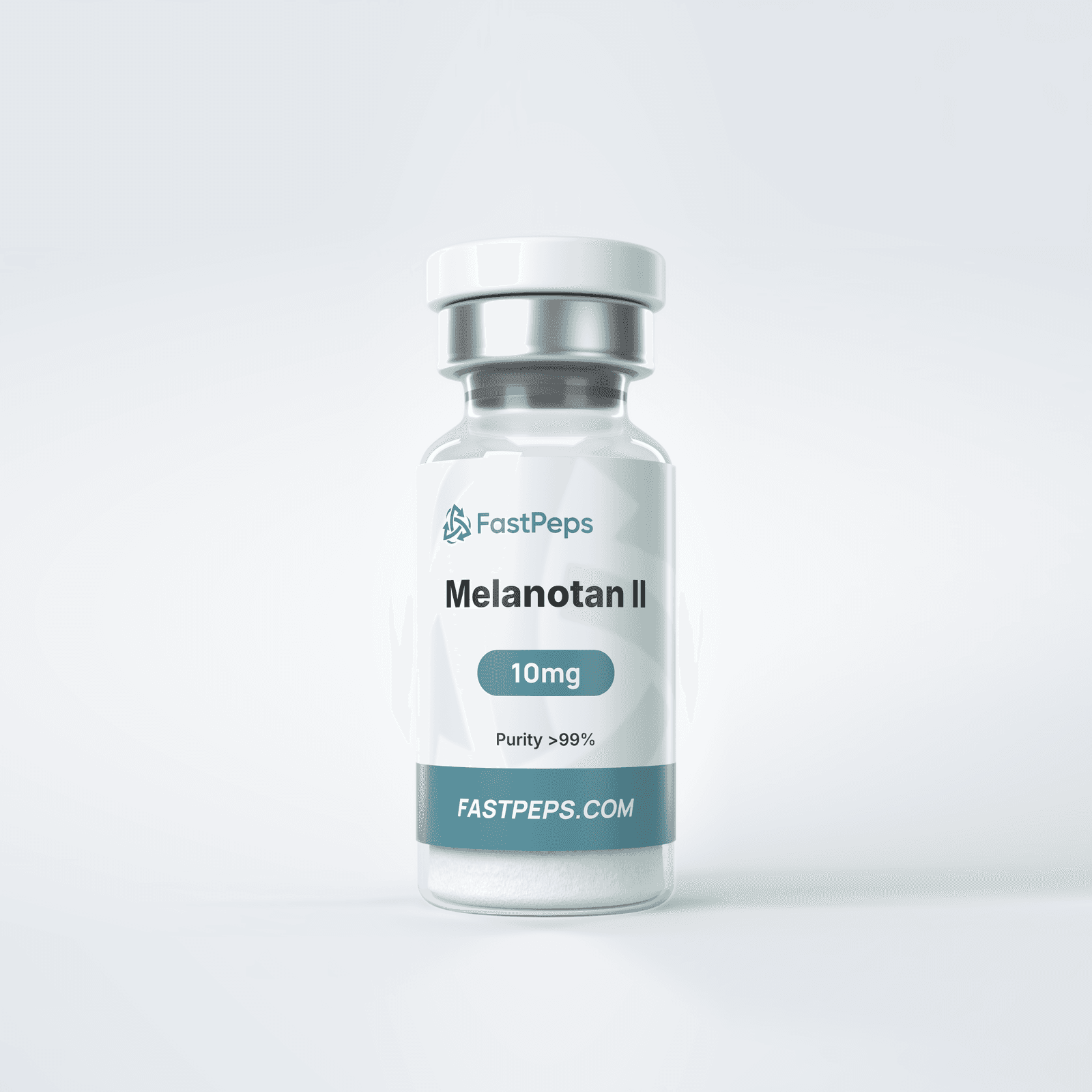
Melanotan II
A cyclic analog of alpha-MSH, studied across the melanocortin receptor family and in pigmentation signaling research. Freeze-dried, ≥99% pure.
Save up to 30% on Melanotan II.
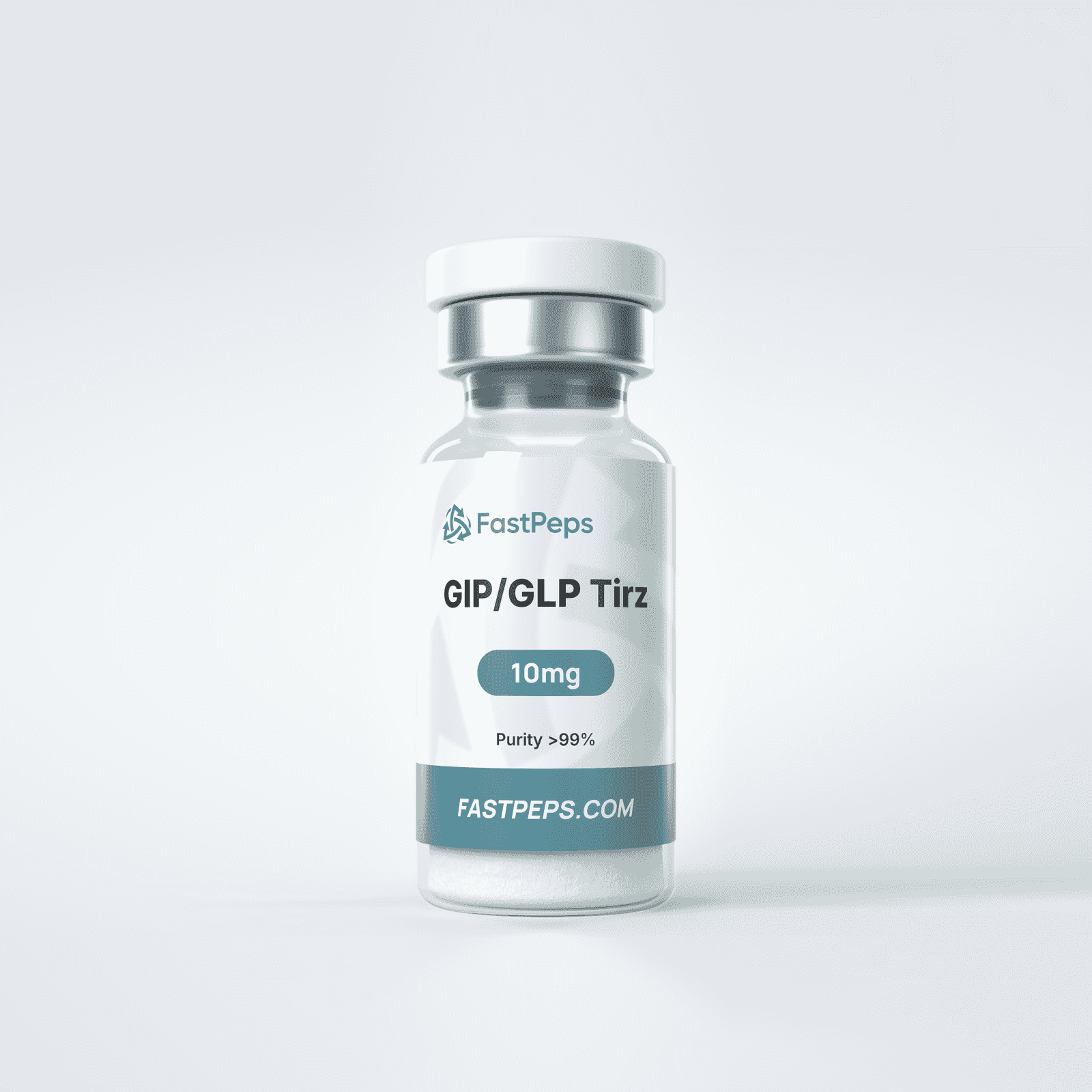
Stack it with Tirz or Reta to unlock the savings.
20%
+1 peptide
25%
+2 peptides
30%
+3 or more

For research and educational purposes only. PepTalk discusses what researchers study in laboratory settings, not medical advice. Products are sold for laboratory research use only.
The short version
Melanotan II is a lab-made, ring-shaped version of alpha-MSH, the natural hormone that signals skin cells to make pigment. The ring structure makes it far more stable than the natural hormone, and it acts on several receptors in the same family, which is why researchers use it to study pigmentation and other melanocortin signaling.
What researchers are looking at
Alpha-MSH is a natural hormone that binds a family of receptors called melanocortin receptors. One of them, MC1R, sits on pigment-producing skin cells and signals them to make melanin. Natural alpha-MSH breaks down within minutes, which makes it hard to study.
Melanotan II was developed at the University of Arizona in the 1980s as a shorter, cyclic (ring-shaped) analog. The ring locks the molecule into shape, which makes it much more resistant to breakdown and more potent at the receptor. Unlike the natural hormone's main target, it is active across several melanocortin receptors, including ones in the brain.
That broad receptor profile is a big reason researchers study it. It is closely related to PT-141, which differs by a single chemical group at one end. That tiny change shifts the receptor profile noticeably, so the two are often studied side by side.
A stabilized hormone
Its ring structure makes it far more resistant to breakdown than natural alpha-MSH, which clears in minutes.
The pigment receptor
At MC1R on pigment cells, it is studied for signaling melanin production.
A wider receptor family
It also acts at other melanocortin receptors, including ones in the brain, which broadens what researchers can study.
Where the evidence stands
an honest mapWell characterized at melanocortin receptors
Small early human studies from the 1990s
At a glance
What it is
A cyclic peptide
alpha-MSH analog
Studied for
Pigmentation signaling
melanocortin receptors
Close relative
PT-141
differs at one end of the molecule
Research stage
Preclinical + early human
small studies
How it arrives
Lyophilized powder
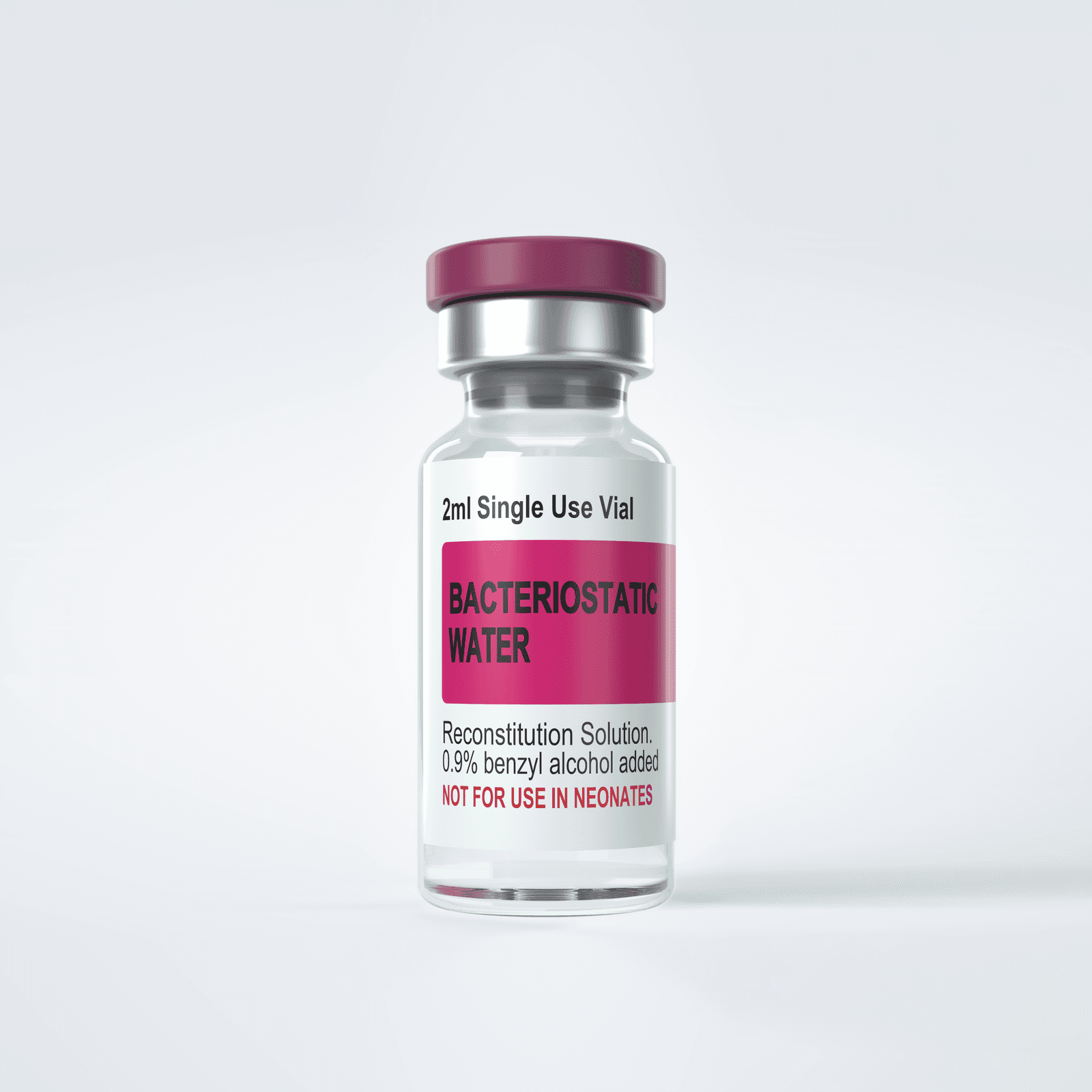
Ships freeze-dried for stability and shelf life. Before research use, it's reconstituted with bacteriostatic water. Once reconstituted, keep it refrigerated and use within the window noted on the Certificate of Analysis.
Bacteriostatic water
Needed to reconstitute
Certificate of analysis
Common questions
They are nearly identical. The difference is a single chemical group at one end of the molecule, which changes which melanocortin receptors each one favors. Researchers often study the two side by side for that reason.
For laboratory and research use only. Sold exclusively for in-vitro research and laboratory experimentation. Not a drug, supplement, or article intended for human or veterinary use; nothing here is medical advice or a claim of therapeutic benefit. Statements describe findings from published research.
Your Reliable Source for High-Quality Research Peptides
FastPeps is more than just a trusted U.S. supplier of research peptides. We are a catalyst for scientific advancement, dedicated to providing the highest quality peptides that empower our clients to push the boundaries of research.