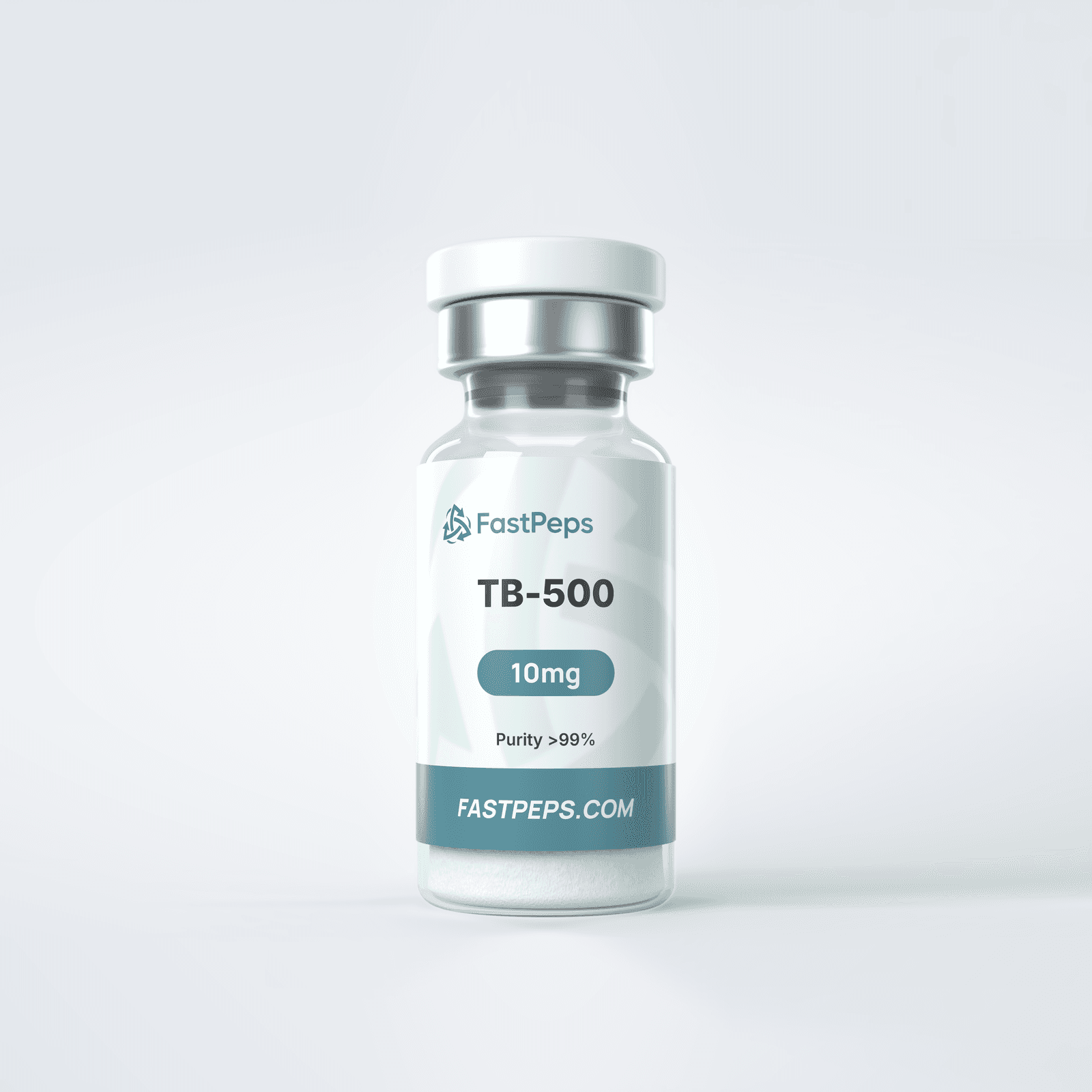
TB-500
A synthetic form of Thymosin Beta-4 studied in actin and cell-movement research.

For research and educational purposes only. PepTalk discusses what researchers study in laboratory settings, not medical advice.
The short version
TB-500 is a synthetic version of Thymosin Beta-4 (Tβ4), a 43-amino-acid peptide found naturally in the body. In the lab it acts as a major "actin-sequestering" molecule: it grabs onto the building blocks cells use to move and rebuild themselves. That single mechanism is why researchers study it across so many animal repair models, from heart tissue to skin.
What researchers are looking at
When repair cells need to move through damaged tissue, they remodel an internal scaffold made of a protein called actin. TB-500 binds the loose building blocks of that scaffold (G-actin monomers), which lets researchers study how cells migrate, organize, and crawl toward damaged tissue. This is the central mechanism behind nearly everything else the peptide is studied for.
On top of that, the literature describes Tβ4 as doing several things at once in animal and cell models: it is associated with growing new blood vessels (angiogenesis) into damaged tissue, with quieting the NF-κB inflammatory pathway, and with reducing scar-tissue formation (fibrosis). Different stretches of the molecule appear to handle different jobs: researchers have mapped specific amino-acid regions to its anti-fibrotic, anti-apoptotic, and blood-vessel-forming activity.
Most of this comes from animal and cell-culture models, so the findings describe what researchers observe in the lab, not results in people. What keeps Tβ4 under scientific attention is the consistency: the same actin-regulating, pro-migration pattern shows up across heart, eye, and skin tissue models.
Cells get moving
TB-500 binds G-actin monomers, the building blocks cells use to remodel their internal scaffold and migrate into damaged tissue.
New blood vessels form
In the literature, Tβ4 is associated with angiogenesis — growing fresh blood supply into damaged tissue via VEGF and the PI3K/Akt pathway.
NF-κB pathway quieted
In animal models, it quiets the NF-κB inflammatory pathway and limits fibrosis (scar-tissue formation).
Where the evidence stands
an honest mapExtensive cardiac, corneal & dermal models
Has entered human clinical research
From the lab toward the clinic
Tβ4 has entered human clinical research in a specific formulation, a step from lab models toward controlled human research.
At a glance
What it is
A repair peptide
synthetic Thymosin β4, 43 aa
Studied for
Repair research
How fast it acts
Fast-acting
peak at 3–15 min
Research stage
In human trials
How it arrives
Lyophilized powder
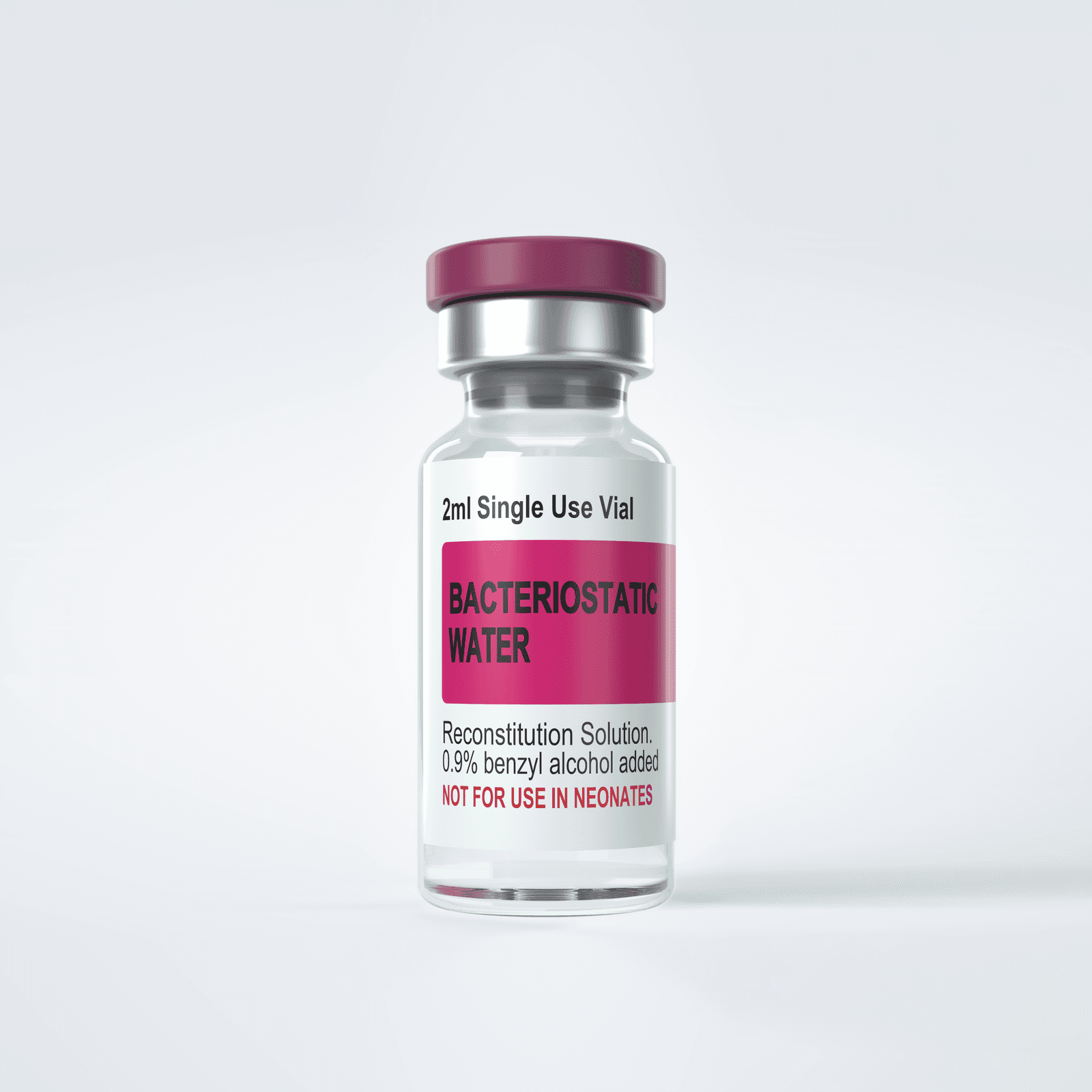
Ships freeze-dried for stability and shelf life. Before research use, it's reconstituted with bacteriostatic water.
Bacteriostatic water
Needed to reconstitute
Certificate of analysis
Common questions
All products on FastPeps are labeled Research Use Only (RUO), and this is a legal requirement, not just fine print. It means these compounds are sold strictly for scientific research and laboratory purposes, not for personal use, self-administration, or medical treatment. This label exists because these compounds have not completed the FDA approval process to be sold as drugs or supplements. When you purchase from FastPeps, you are agreeing the product is for research purposes only.
For laboratory and research use only. Sold exclusively for in-vitro research and laboratory experimentation. Not a drug, supplement, or article intended for human or veterinary use; nothing here is medical advice or a claim of therapeutic benefit. Statements describe findings from published research.
Your Reliable Source for High-Quality Research Peptides
FastPeps is more than just a trusted U.S. supplier of research peptides. We are a catalyst for scientific advancement, dedicated to providing the highest quality peptides that empower our clients to push the boundaries of research.